Coredex
Contents
Where to buyOverviewEvidenceMechanismStatusSourcesWhere it sitsStudies

MOTS-c

Mitochondrial ORF of the 12S rRNA type-c, MOTSc, mitochondrial-derived peptide

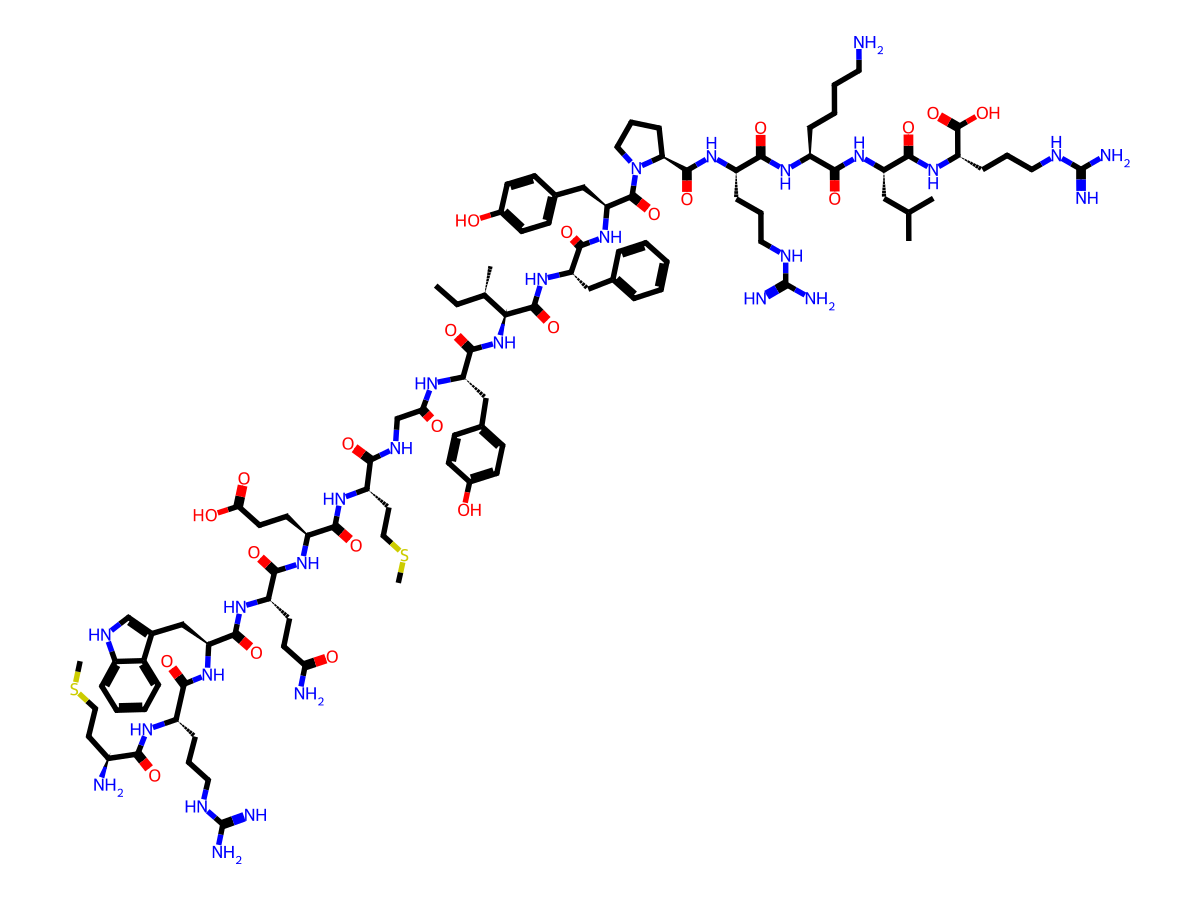
MOTS-c is a sixteen amino acid peptide encoded in mitochondrial DNA, and exercise raises its circulating levels. Evidence is from mice and human cells; the only human trial was of a different molecule, an analogue, whose liver fat endpoint did not move.

  • Mitochondrial-derived peptide
  • Filed under: Metabolic & energy
  • Subcutaneous

Where to buy, code BENTheDhust, ships to the United States

  1. Compounds
  2. Longevity and cell ageing
  3. Mitochondrial-derived peptides
  4. MOTS-c

15 sources page reviewed 22 Nov 2026

Where to buy

TheDhust

  • US shipping
  • Affiliate link
Use codeenter it at checkout

Affiliate link. Coredex earns a commission if you buy through it. It does not change what you pay or what this page reports, and listing a vendor is not a recommendation. Each vendor’s own listing says what an item is sold as (a supplement, a medicine or research material); read it before you order. Read the full disclosure. Full vendor table.

Overview

In its favour

A mechanism encoded in mitochondria rather than the nucleus, with circulating levels raised by exercise

Recorded harm

Nothing recorded in humans

Not settled

No pharmacokinetics of an injected dose have been published in humans, and the only human trial was of a different molecule

A peptide encoded in mitochondrial DNA.

Almost every human protein is encoded in nuclear DNA. MOTS-c is not. It is a sixteen amino acid peptide encoded within the 12S ribosomal RNA region of mitochondrial DNA, a separate and much smaller genome inherited from an ancient bacterial ancestor.⁠1

For researchers

Because it comes from the mitochondrial genome, it behaves as a signal from the mitochondria to the rest of the cell, reporting on metabolic stress. In 2018 it was shown to travel into the nucleus and change which nuclear genes are expressed, the first mitochondrial peptide known to do that.⁠2

MOTS-c is also made in the body. Circulating levels rise with exercise and fall back to baseline within roughly four hours. Levels also decline with age.⁠3 It is therefore an endogenous signal, and the open question is whether administering more of it has any effect.

Compound data

MMet
RArg
WTrp
QGln
EGlu
MMet
GGly
YTyr
IIle
FPhe
YTyr
PPro
RArg
KLys
LLeu
RArg
NonpolarAcidicBasic Teal letter = proline
Position 14, the highlighted lysine, is the residue replaced by glutamine in the Asian-specific m.1382A>C variant. That single substitution is what the entire longevity and diabetes literature on this peptide turns on.⁠5
SequenceMRWQEMGYIFYPRKLR
FormulaC101H152N28O22S2
Mol. mass2174.6 g/mol
Length16 residues
PubChemCID 146675088Stereo-defined record. A second entry, CID 155885767 “MOTS-c (human)”, holds the same connectivity with undefined stereochemistry⁠13
InChIKeyWYTHCOXVWRKRAH-LOKRTKBUSA-NThe first block is the connectivity hash and is identical on both records. Only the second block differs, which indicates the two entries are the same molecule drawn with and without stereochemistry⁠13
Composition4× Arg, 2× Met, 2× Tyr, 1× each Trp, Gln, Glu, Gly, Ile, Phe, Pro, Lys, Leu
Net charge+3 at physiological pH (4 basic, 1 acidic side chain)
DisulfidesNone. No cysteine in the sequence
Oxidation riskElevated. Two methionine residues
Counter-ionUsually trifluoroacetate (TFA) from purification. Four basic side chains plus the N-terminus means more counter-ion than average11
OriginEncoded in the 12S rRNA region of mitochondrial DNA⁠1
SolubilityWater soluble. A net positive charge at neutral pH helps here, no acidic buffer needed
Endogenous t½Approx. 1 to 2 h inferred; back to baseline under 4 h after exercise⁠3
Exogenous PKNot established in humans⁠9

Evidence at a glance

Human efficacy trials of MOTS-cNone published9
Human trials of an analogueOne. CB4211, Phase 1a/1b. Primary safety endpoint met, liver fat endpoint flat against placebo⁠7
Analogue programme statusDiscontinued⁠8
Animal evidenceConsistent and independent across multiple groups⁠14
Human tissue workAttenuated dexamethasone-induced atrophy in human muscle cells⁠10
Observational geneticsConflicting. Longevity association in a small cohort, higher type 2 diabetes in males across 27,527 people⁠56

Regulatory status

USNot FDA approved. No completed programme exists; the closest analogue was discontinued after Phase 1⁠8
US, 2026Removed from Category 2 of the 503A bulk substances list on 15 April 2026, because the nomination was withdrawn rather than because a safety question was answered.⁠14 On 23 July 2026 the Pharmacy Compounding Advisory Committee recommended adding it to the 503A list, in a close vote and against the FDA's own scientific reviewers, who advised against all seven peptides on the agenda for lack of clinical data and insufficient characterisation.⁠15 The committee only advises. The FDA has not decided, and none of this is approval.
SportNamed explicitly on the WADA Prohibited List. Added in the 2025 revision under S4.4, metabolic modulators, as an example of an AMPK activator. Prohibited at all times, in and out of competition⁠12

Related

SemaxAnother compound whose mechanism exercise also produces
CompareView beside other compounds on the same axes
TB-500A fragment of a parent molecule, with its own separate evidence
GHK-CuAlso endogenous, and an example where the route of administration matters
BPC-157Same 503A history, and a literature from a single research group
RetatrutideAlso metabolic, with large controlled trials
CJC-1295Another compound with two distinct molecules under one name
PT-141Another compound where markers moved and the behavioural outcome did not
SS-31Another mitochondrial compound, with exercise endpoints tested in trials
NAD+ / NMNAlso endogenous
MetforminAnother AMPK activator, not named on the WADA list
5-Amino-1MQAnother metabolic compound studied through rodent energy-expenditure data
SR9009 (Stenabolic)An exercise mimetic, and no human has been given it in a study

Evidence

The only human trial was of an analogue.

LabAnimalHuman, this moleculeControlled efficacyApproved

Evidence found: lab; animal.

There is no published, completed human efficacy trial of MOTS-c itself.⁠9 Claims for effects in humans are either extrapolated from animal work, inferred from observational associations, or borrowed from a trial of an analogue.

For researchers

That analogue is CB4211, a modified version developed by CohBar and taken into a Phase 1a/1b study for NASH and obesity. It is the closest human data available.⁠7

What CB4211 showed. It met its primary endpoint: well tolerated, no serious adverse events. On the exploratory measures it reduced ALT by around 25% and AST by around 17%, lowered glucose, and produced a trend toward lower body weight over four weeks.⁠7

What it did not show. Liver fat measured by MRI-PDFF, the endpoint the trial existed to move, fell 5.03% on drug against 4.88% on placebo. That is no difference: the biomarkers moved and the endpoint they are a proxy for did not.⁠7

Development was subsequently discontinued, with the company citing a formulation unsuitable for further development.⁠8

Genetic variant studies

There is an Asian-specific mitochondrial variant, m.1382A>C, which changes residue 14 of MOTS-c from lysine to glutamine. It is cited as evidence for a longevity role, because it was found at elevated frequency in long-lived Japanese men from one mitochondrial haplogroup.⁠6

The larger dataset points the other way. A meta-analysis across three Japanese cohorts totalling 27,527 people found that males carrying the C allele had a higher prevalence of type 2 diabetes, and the authors describe the variant as pro-diabetogenic.⁠5

Both of those are about a naturally occurring variant, not about injecting anything. Neither shows what exogenous MOTS-c does, and neither is efficacy data.

Human-tissue work

The most relevant recent human work is in cells rather than people: MOTS-c and humanin attenuated dexamethasone-induced atrophy in human skeletal muscle cells.⁠10 It is a result in human tissue, not in a person.
Mechanism

It gets to AMPK the long way round.

Exercise mimetics are generally described as activating AMPK, the enzyme that switches cells from storing energy to spending it. MOTS-c does reach AMPK, but not by binding it. It goes through one-carbon metabolism first, and that indirect route is the whole mechanism.⁠1

For researchers
MOTS-c
Acts on the folate and methionine cycle, the pathway cells use to move single carbon units around for building nucleotides and methylating DNA.⁠1
Folate cycle ↓
Flux through the cycle is inhibited, so the intermediates upstream of the block begin to accumulate.
AICAR ↑
AICAR builds up. This purine intermediate is a direct AMPK activator, and the same compound is also studied separately as an exercise mimetic.⁠1
AMPK ↑
AMPK activation shifts the cell toward glucose uptake and fatty acid oxidation. In skeletal muscle this appears as increased glucose disposal.⁠1
Nucleus
Under metabolic stress the peptide translocates into the nucleus and alters expression of nuclear genes, in an AMPK-dependent way. This is the part that has no equivalent among ordinary peptides.⁠2

Why the indirect route matters

MOTS-c is on the WADA Prohibited List. WADA added MOTS-c to the Prohibited List in 2025 under S4.4, metabolic modulators, as an example of an AMPK activator. AICAR itself sits in the same category, consistent with the pathway described above.⁠12

Because the effect runs through a metabolic pathway rather than a receptor, no concentration saturates a binding site and there is no clean way to reason from a concentration to an effect. The response depends on the metabolic state of the cell at the time. In the original work, the effects were most visible under metabolic stress and least visible in healthy, unstressed conditions.⁠1

No dedicated cell-surface receptor for MOTS-c has been identified. As with BPC-157, this is an open question: without a receptor there is no straightforward structure-activity relationship to study.

What it did in mice

In the 2015 discovery work, MOTS-c prevented diet-induced obesity and improved insulin sensitivity in mice, and it did so without reducing how much the animals ate. The effect came from increased energy expenditure rather than from appetite suppression, which is the basis of the exercise mimetic label.⁠1

These findings are in mice fed a deliberately obesogenic diet, and they do not establish an effect in humans.

No pharmacokinetics of an injected dose have been published in humans.

The endogenous peptide is short-lived. Exercise-induced levels return to baseline within about four hours, which implies a half-life on the order of one to two hours.⁠3 That is an inference about the peptide the body makes.

For researchers

It is not a measurement of injected MOTS-c. The pharmacokinetics of exogenous MOTS-c in humans have not been formally established, and dosing figures in circulation are extrapolated from mouse studies.⁠9

Endogenous, after exerciseback to baseline < 4 h
Exogenous, in humansnot established
012 h24 h

No human dose has been established in a trial, and none is anchored to a measured blood level, a receptor occupancy or an outcome.

The sequence contains two methionine residues and no cysteine. The absence of cysteine means no disulfide bonds. Two methionines make the peptide oxidation-prone.

Regulatory status

Status by country

Where regulators list this compound, country by country. A country with no line has not been checked yet.

No country or sport list has been checked yet

Not yet checked. North America: Canada, Mexico, United States. South America: Argentina, Brazil. Europe: European Union (central authorisation), Belgium, France, Germany, Italy, Netherlands, Russia, Spain, Switzerland, United Kingdom. Africa: Egypt, Nigeria, South Africa. Asia: China, India, Japan, South Korea, Thailand, United Arab Emirates. Oceania: Australia, New Zealand.

Sport (WADA) applies worldwide, not a country

WADA Prohibited List 2026Not yet checked

Information only, not legal advice. Not verified for any individual situation. Status changes; check the date and the source.

The same records as data: JSON and CSV, with a version and a change log.

Sources15

This page cites 15 sources, numbered to match the small numbers in the text above. Each one links to the paper or record. Where a source states its design, a tag says so (a human trial, an animal study, a cell study, a review); the tag names the design and is not a grade. Each source also links back to where it is cited above.

  1. 01
    Lee C, Zeng J, Drew BG, et al. The mitochondrial-derived peptide MOTS-c promotes metabolic homeostasis and reduces obesity and insulin resistance. Cell Metab 2015;21(3):443-54.Animalpubmed.ncbi.nlm.nih.govno read date recorded
    Full text
    Lee C, Zeng J, Drew BG, et al. The mitochondrial-derived peptide MOTS-c promotes metabolic homeostasis and reduces obesity and insulin resistance. Cell Metab 2015;21(3):443-54. The discovery paper. Source for the sequence, the folate cycle and AICAR mechanism, and the diet-induced obesity result in mice.
    Cited 9 times, back to the text12345678and 1 more
  2. 02
    Kim KH, Son JM, Benayoun BA, Lee C. The mitochondrial-encoded peptide MOTS-c translocates to the nucleus to regulate nuclear gene expression in response to metabolic stress. Cell Metab 2018;28(3):516-524.cell.comno read date recorded
    Full text
    Kim KH, Son JM, Benayoun BA, Lee C. The mitochondrial-encoded peptide MOTS-c translocates to the nucleus to regulate nuclear gene expression in response to metabolic stress. Cell Metab 2018;28(3):516-524. Source for nuclear translocation and AMPK-dependent gene regulation.
    Cited 2 times, back to the text12
  3. 03
    Merry TL, Chan A, Woodhead JST, et al. MOTS-c: A promising mitochondrial-derived peptide for therapeutic exploitation. Review. Source for the exercise response, the return to baseline within roughly four hours, and the age-related decline.ncbi.nlm.nih.govno read date recordedCited 3 times, back to the text123
  4. 04
    MOTS-c, the most recent mitochondrial-derived peptide in human aging and age-related diseases. Review. Used for the breadth of independent animal work.ncbi.nlm.nih.govno read date recordedBack to the text1
  5. 05
    Zempo H, Kim SJ, Fuku N, et al. A pro-diabetogenic mtDNA polymorphism in the mitochondrial-derived peptide, MOTS-c. Aging 2021. Meta-analysis of three Japanese cohorts, n = 27,527.Review or meta-analysisaging-us.comno read date recorded
    Full text
    Zempo H, Kim SJ, Fuku N, et al. A pro-diabetogenic mtDNA polymorphism in the mitochondrial-derived peptide, MOTS-c. Aging 2021. Meta-analysis of three Japanese cohorts, n = 27,527. Source for the K14Q substitution and the higher type 2 diabetes prevalence in male C-allele carriers.
    Cited 3 times, back to the text123
  6. 06
    Fuku N, Pareja-Galeano H, Zempo H, et al. The mitochondrial-derived peptide MOTS-c: a player in exceptional longevity? Aging Cell 2015;14(6):921-3.ncbi.nlm.nih.govno read date recorded
    Full text
    Fuku N, Pareja-Galeano H, Zempo H, et al. The mitochondrial-derived peptide MOTS-c: a player in exceptional longevity? Aging Cell 2015;14(6):921-3. The longevity association, in a much smaller sample than r5.
    Cited 2 times, back to the text12
  7. 07
    CohBar, Inc. Positive topline results from the Phase 1a/1b study of CB4211. 10 August 2021. Source for the safety endpoint, the ALT and AST reductions, and the MRI-PDFF result of −5.03% against −4.88% on placebo.globenewswire.comno read date recordedCited 4 times, back to the text1234
  8. 08
    CohBar, Inc. CB4211 programme page and subsequent corporate filings. Development discontinued; the Phase 1b formulation was stated as unsuitable for further development.no read date recordedCited 3 times, back to the text123
  9. 09
    Alzheimer's Drug Discovery Foundation, Cognitive Vitality. MOTS-c report. Independent summary. Used for the absence of completed human efficacy trials and for the unestablished exogenous pharmacokinetics.alzdiscovery.orgno read date recordedCited 4 times, back to the text1234
  10. 10
  11. 11
    Counter-ion and net peptide content, background. Trifluoroacetate is the standard counter-ion from reverse-phase purification; peptides with more basic residues carry proportionally more of it, which lowers the fraction of the vial that is peptide.no read date recordedBack to the text1
  12. 12
    WADA Prohibited List, 2025 revision. MOTS-c is named under S4.4 Hormone and Metabolic Modulators as an example of an AMP-activated protein kinase (AMPK) activator, the same subsection that lists AICAR. S4 substances are prohibited at all times.no read date recordedCited 2 times, back to the text12
  13. 13
    PubChem carries two entries for this peptide: CID 146675088, with stereochemistry defined as all L-amino acids, and CID 155885767, listed as "MOTS-c (human)", with stereochemistry undefined.pubchem.ncbi.nlm.nih.govpubchem.ncbi.nlm.nih.govno read date recorded
    Full text
    PubChem carries two entries for this peptide: CID 146675088, with stereochemistry defined as all L-amino acids, and CID 155885767, listed as "MOTS-c (human)", with stereochemistry undefined. Both give C101H152N28O22S2 and 2174.6 g/mol, and both share the InChIKey skeleton block WYTHCOXVWRKRAH. This page cites the stereo-defined record, because the biologically relevant molecule is the L-form.
    Cited 2 times, back to the text12
  14. 14
    US FDA, Bulk Drug Substances Nominated for Use in Compounding Under Section 503A, action of 15 April 2026, effective after seven days. Twelve peptide bulk drug substances were removed from Category 2 because the nominations were withdrawn…orrick.comno read date recorded
    Full text
    US FDA, Bulk Drug Substances Nominated for Use in Compounding Under Section 503A, action of 15 April 2026, effective after seven days. Twelve peptide bulk drug substances were removed from Category 2 because the nominations were withdrawn by the nominators. Summarised in Orrick, Herrington & Sutcliffe, FDA Announces Removal of 12 Peptides from Category 2, 16 April 2026. Removal from Category 2 does not place a substance on the 503A list and is not authorisation.
    Back to the text1
  15. 15
    Hawana JS, FDA's Advisory Committee Votes on Peptides, What It Does and Doesn't Do, Mintz, 29 July 2026. Source for the 23 and 24 July 2026 Pharmacy Compounding Advisory Committee meeting, the recommendation of six of the seven peptides…mintz.comno read date recorded
    Full text
    Hawana JS, FDA's Advisory Committee Votes on Peptides, What It Does and Doesn't Do, Mintz, 29 July 2026. Source for the 23 and 24 July 2026 Pharmacy Compounding Advisory Committee meeting, the recommendation of six of the seven peptides considered, the FDA scientific reviewers having recommended against all seven, and the fact that an advisory committee vote is not an agency action. Also the source for the second meeting on five further peptides expected February 2027.
    Back to the text1

Where it sits

Primary studies

Don’t take our word for it. Read the study.

Read first: 05, 02, 06.

Where this compound is sold

Affiliate links. Coredex earns a commission if a reader buys through the links in this table. The commission has no influence on what the page above reports. The publisher also has a partner relationship with TheDhust. Read the full disclosure.

One vendor, TheDhust, is listed.

VendorProduct and sizePublic lab report
TheDhustMOTS-c, 10 mg, 20 mg, 40 mgNot published